
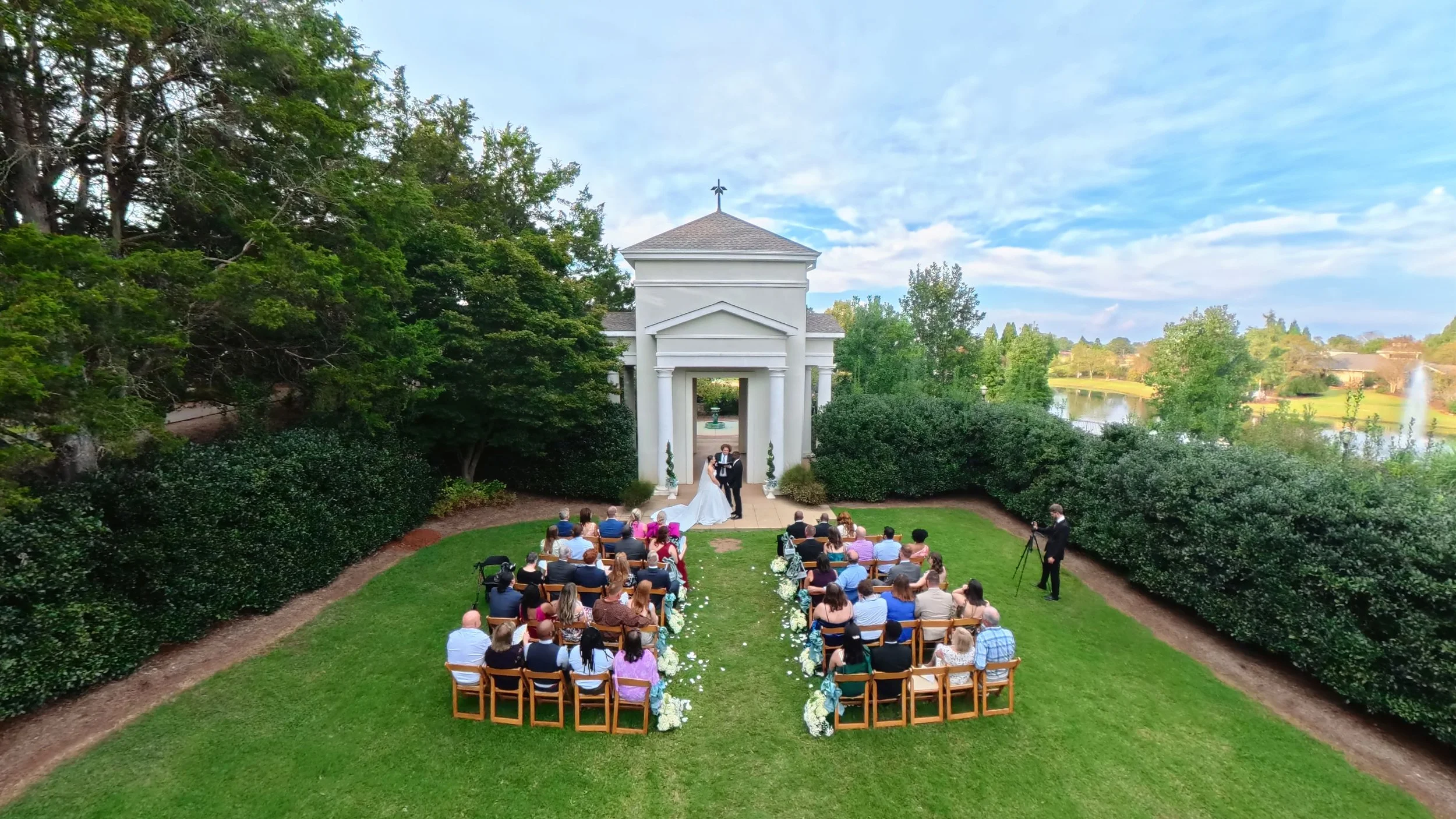
How to Plan Your Own Wedding in North Alabama
Full Disclosure, my own wedding in 2026 was a DIY wedding and these are tips and tricks I used to make it a success and still have a low stress day!
Start with a budget, an estimated guest count, and a short list of what matters most to you. Those decisions will help you choose a venue, secure a date, and book your vendors. From there, keep one planning calendar, make a realistic wedding-day timeline, and assign the practical jobs to people who can handle them while you celebrate.
You can plan a wedding yourself and still bring in professional help where you need it. Whether you're getting married in Decatur, Huntsville, Athens, or elsewhere in North Alabama, these steps will help you turn your ideas into a workable plan.
1. Decide what matters most to both of you
Before buying decorations or scheduling venue tours, sit down together and choose your top three priorities. You might care most about having your whole family there, serving a memorable meal, or having plenty of time for photographs.
Write a short planning brief:
Our three priorities are:
Our estimated guest count is:
Our maximum total spending is:
The people contributing financially are:
Our preferred season or possible dates are:
We want our wedding to feel:
Keep this somewhere you can both see it. When a new idea comes along, check whether it supports the celebration you've agreed to plan.
2. Build a guest list and a budget together
Write down the people you would invite before choosing a venue size. Decide how you will handle children, plus-ones, and invitations from family members who are helping host.
Then collect actual quotes. Compare the full cost of each option, including the items and services you would need to add separately.
Include these categories in your budget:
Venue, food, drinks, and staffing.
Photography, video, music, and coordination.
Clothing, alterations, hair, and makeup.
Flowers, décor, stationery, and rentals.
Transportation, delivery, setup, and cleanup.
Taxes, service charges, applicable gratuities, and extra time.
Track the estimated cost, agreed total, amount paid, balance, and payment deadline for each booking. Keep some money unassigned for changes and overlooked expenses.
Plan for the number of people you invite rather than relying on a particular percentage declining. Your final arrangements must stay within the venue's capacity and your agreed spending limit.
3. Choose a venue that works for your whole day
A venue needs to accommodate your guests, your vendors, your setup plan, and your weather alternative.
Take these questions to each tour:
What time can we and our vendors arrive, and when must everything be removed?
Which tables, chairs, linens, and other items are included?
Who sets up furniture, places our decorations, and handles cleanup?
What is the capacity for our actual ceremony and reception layouts?
Where would the ceremony and portraits happen in bad weather?
Are there restrictions on vendors, candles, sound, alcohol, or decorations?
Are getting-ready rooms available during the hours we need them?
What does the venue coordinator handle, and who will be present that day?
Ask to see the indoor alternative before booking. Check how guests would move between spaces and whether the layout still works with your guest count.
If you plan to decorate yourselves, compare the access window with the amount of work involved. A room that needs several hours of setup needs a team and a schedule to match.
4. Book the vendors your plans depend on
Once your venue and date are confirmed, contact the professionals who matter most to your plans. Check your highest-priority vendors' availability before committing to the date if having them there is essential.
Depending on your wedding, your team may include a caterer, photographer, filmmaker, coordinator, DJ or band, florist, beauty team, ceremony leader, and rental company.
Before booking, confirm:
Who will provide the service and what is included.
Arrival, working, and departure times.
The full price and any potential additional charges.
Payment deadlines and the terms for changes.
What each vendor needs from you, the venue, or another vendor.
Save the signed agreements and add their deadlines to your calendar. Booking order should follow availability and the decisions your wedding depends on, rather than a rigid checklist.
5. Give your planning one home
Create a shared folder for agreements, invoices, layouts, guest information, and your current timeline. Keep one task list with a person and a deadline for each item.
TaskPerson responsibleDue dateStatusConfirm the indoor ceremony layoutAdd nameAdd dateWaiting on venueSend the family portrait listAdd nameAdd dateDraftingArrange décor pickup and returnAdd nameAdd dateTo arrange
Set aside a regular planning session together. Review upcoming deadlines, choose the next few decisions, and update the budget before making more purchases.
6. Test each DIY project before committing
Make one complete sample before buying supplies for every table or guest. Count the materials, tools, packaging, transport, assembly time, and cleanup involved.
For example, if one centerpiece takes ten minutes to assemble, fifteen will take two and a half hours at that same pace, before unpacking, positioning, or clearing away supplies.
Ask yourself:
Can we finish this in advance?
Where will it be stored and how will it get to the venue?
Who will install it while we're getting ready?
Who will remove it afterward?
Does the venue allow it?
For table décor, test a full place setting. Check that guests can see one another, servers have room to work, and signs remain readable.
Label boxes by location and place a photograph of the finished arrangement inside each one. A helper should be able to set it up without calling you.
7. Build the timeline around fixed times and real travel
Start with your ceremony time, venue access, food service, and required finish time. Ask your photographer to help plan the photography around those commitments, your portrait priorities, and the available daylight.
Account for:
Hair and makeup completion, dressing, and touch-ups.
Travel, parking, unloading, and walking between locations.
Couple, wedding-party, and family portraits.
Ceremony preparation and guest seating.
Food service, toasts, dances, and any planned exit.
Ask vendors how long their work needs. Allow some unassigned time so a small delay doesn't push every later event behind.
If you prefer to see each other at the ceremony, allow time afterward for the portraits involving both of you. If attending cocktail hour matters, discuss how the portrait schedule can support that.
Your photography timeline should fit into the overall event schedule shared with your venue, caterer, coordinator, and entertainment.
8. Decide who will run the day
Planning your wedding includes deciding who will answer questions and carry out the plan while you're getting married.
You may choose to hire a coordinator to manage the final preparations and wedding-day logistics. Ask when their involvement begins, what they take responsibility for, and what still needs another person.
A venue coordinator's responsibilities depend on the venue and your agreement. Confirm the actual scope instead of assuming that a job title includes every task.
Complete this handover list with the people or vendors who have agreed to help:
ResponsibilityAssign it toReceiving deliveries and answering vendor questionsNamed contactPlacing personal décor and signsSetup lead and helpersGathering people for family portraitsSomeone who knows each sideDeciding on a weather-related changeAgreed decision-makerKeeping gifts, cards, and personal items secureTrusted personRemoving décor and returning rentalsCleanup lead and helpers
Give each person a time, location, contact number, and clear description of the job. Check that their responsibilities don't overlap with getting ready, being in photographs, or taking part in the ceremony.
9. Confirm guest logistics and marriage paperwork
Give guests clear information about arrival times, addresses, parking, transportation, and any walking between spaces. Discuss access needs with your venue and confirm meal requirements with your caterer.
Set your RSVP deadline early enough to follow up with guests before your caterer's final-count deadline. Use confirmed responses to complete seating and meal information.
For an Alabama wedding, review the Alabama Department of Public Health's marriage certificate instructions and confirm the recording process with the county probate office you plan to use. Put the relevant paperwork deadlines on your calendar early.
If you're marrying in another state, use that state's official instructions.
10. Send one final plan and prepare the handover
By the deadlines agreed with your vendors, confirm guest counts, meals, rentals, balances, and the event schedule. During the final week, share the latest plan with everyone who needs it.
Include:
The current timeline, addresses, and access instructions.
Vendor contacts and the main wedding-day contact.
Setup photographs and labelled décor instructions.
The weather alternative and who can authorize a change.
Family portrait groups, written with names.
The plan for gifts, personal belongings, cleanup, and returns.
Pack the details you want photographed together, including invitations, jewelry, vow books, and meaningful heirlooms. Assign someone to return the rings to the person responsible for them before the ceremony.
Once the handover is complete, let your helpers work from the plan. Give yourself time to get ready, eat, and enjoy the people you've brought together.
Questions about planning your own wedding
Can I plan my own wedding and still hire a coordinator?
Yes. You can make the planning decisions yourselves and hire someone to help manage the final preparations and event. Compare the actual services offered, including when their work begins, whether they attend the rehearsal, and which setup or cleanup tasks they handle.
What should we do first?
Agree on your priorities, estimated guest count, and spending limit. Use those decisions to compare venues and possible dates. Save smaller purchases until you know they fit the location, layout, and budget.
Does a photographer help plan the whole wedding?
A photographer can help you plan coverage, portrait timing, locations, and light. Overall event management, vendor arrivals, décor installation, food service, and cleanup need their own agreed responsibilities.
Wedding photography with personal guidance
At Amanda Nicole Photography, I'll help you plan a realistic photography timeline, guide you in front of the camera, and help you choose photographs for your album and prints afterward.
If you're planning your own wedding and would like that support, reach out. You can also download the handy PDF I made for you!